Dentitox Pro
One Simple Way To Maintain Your Perfect Smile! Hi, My name is Marc Hall I am 54 years old and I live with my wife, Martha, in a small town
SasiiDigital
We Analyze, You Decide. Real Testing, Zero Hype.
SiteFlow promises to build, host, and promote affiliate websites with AI. Here’s what you should know about its features, traffic claims, pricing, bonuses, and limitations before buying.
SasiiDigital.com
Reviewed: 19 Aug 2026
If you’ve looked at affiliate marketing tools lately, you’ve probably seen the same promise: enter an affiliate link, let AI build the website, publish content automatically, and wait for traffic. The hard part is knowing which parts are actual software functions and which parts depend on your content, offers, traffic sources, and execution.
This SiteFlow Review examines the new SiteFlow platform from that angle. I’ll cover what it does, how the workflow is supposed to operate, its site builder, hosting, traffic features, affiliate-network support, bonuses, upsells, pricing information, limitations, and who should consider it.
I went deep on SiteFlow’s launch materials, feature claims, documentation available for the offer, the affiliate terms, and the surrounding LaunchPad ecosystem. The first thing that stood out is that SiteFlow is trying to combine several separate tasks, website creation, hosting, affiliate publishing, content generation, and traffic tools, inside one system.
SiteFlow Review is an evaluation of a web-based AI affiliate site builder that is scheduled to launch on August 19, 2026, through LaunchPad. According to the supplied launch information, SiteFlow is designed to create and host affiliate websites from an affiliate link, generate content, publish products, and provide built-in traffic sources.
The vendor positions it as a one-time-purchase platform rather than a conventional monthly website-hosting subscription. The sales material also claims support for more than 100 affiliate networks, 400+ traffic sources, AI-assisted content, domain setup, SSL, hosting, backups, website building, and commercial rights.
The key distinction is the amount of infrastructure bundled into one dashboard. The trade-off is that automation does not remove the need for offer selection, content review, affiliate approvals, traffic quality checks, and ongoing business decisions.
Quick Answer:
Price: Data not available.
Best For: Affiliate marketers and beginners wanting an automated site-building workflow.
Main Limitation: Many traffic and automation outcomes depend on execution and external networks.
Verdict: Promising feature set, but buyers should treat the income claims as vendor claims rather than guaranteed results.
For broader research, Google’s official guidance recommends people-first content that adds original information and analysis rather than producing pages mainly for search traffic.
The supplied SiteFlow launch materials identify the support contact as Serapis Code and repeatedly reference Mike in the launch’s affiliate-reciprocation messaging. However, the materials provided for this review do not give enough verified biographical information to build a detailed personal profile of the individual creator without guessing.
The commercial infrastructure is connected to SERAPIS CODE S.R.L., which LaunchPad identifies as its merchant of record. LaunchPad’s public information also explains that it handles checkout, delivery, customer support, refunds, and tax compliance for transactions on the platform.
SiteFlow works in 3 broad steps based on the vendor’s described workflow.
Step 1: Add your affiliate offer or affiliate link. The platform is designed to use that information as the starting point for creating a monetized website.
Step 2: Configure the website and content. The vendor says SiteFlow can generate pages, content, product reviews, videos, affiliate links, and site assets through its AI-assisted system.
Step 3: Publish and promote. SiteFlow claims to provide hosting, SSL, ongoing content publishing, and hundreds of traffic sources so the site can continue operating after setup.
The main attraction is the number of separate website tasks placed inside one workflow. The main question is how much manual editing you’ll still want to do before publishing content publicly.
If you’ve never used SiteFlow before, this section is for you.
Start with an affiliate product or network you already have permission to promote. SiteFlow’s materials mention Amazon, ClickBank, eBay, WarriorPlus, JVZoo, LaunchPad, and many additional networks.
Before entering a link, confirm that your affiliate account is approved and that the offer allows the type of promotional website you plan to build.
[Screenshot: SiteFlow offer setup | Alt: SiteFlow affiliate link setup]
Add the affiliate link or offer information into the platform. The stated workflow is designed to use the link as the foundation for your site and product content.
Check every affiliate URL before publishing. A wrong tracking parameter can send visitors to the right product while failing to attribute your referral correctly.
Choose your site name, niche, content direction, and design settings. The vendor says the system can create a domain, hosting environment, pages, funnels, and other website elements from the dashboard.
[Screenshot: SiteFlow website builder | Alt: SiteFlow website builder configuration]
Let the system generate the initial articles, reviews, pages, and promotional content. Then review the output before publication.
This is the step I would not skip. AI-generated affiliate content still needs fact checking, product-specific details, disclosure language, and useful information that goes beyond the vendor’s sales copy.
Publish the website and use the platform’s traffic and analytics features where appropriate. Monitor clicks, conversions, indexing, content quality, and affiliate-network compliance.
Don’t assume that publishing automatically creates profitable traffic. The website still needs a clear niche, useful content, relevant offers, and a promotion strategy.
Most beginners can understand the basic workflow quickly, but building a site and building a site that earns are two different tasks.
My evaluation covered the vendor’s launch material, documented feature set, affiliate rules, product positioning, and the way the promised automation maps to a real affiliate workflow. The strongest point is the attempt to combine website creation, hosting, affiliate publishing, content generation, and traffic tools in one service.
One product-specific observation is the site-wide affiliate-link publishing concept. If implemented as described, it could save time for marketers managing many products because the affiliate tracking layer is considered during content creation rather than added manually after every article.
A second observation is the inclusion of built-in legal and technical website functions, including SSL, cookie consent, affiliate disclosure, backups, and malware protection. Those features can reduce setup work for beginners, although the vendor’s legal-compliance claim should not be interpreted as legal advice for every jurisdiction.
The biggest disappointment in the documented offer is the lack of detailed public evidence showing how the claimed 400+ traffic sources perform individually. A large source count sounds useful, but traffic quality, referral relevance, account requirements, and actual conversion potential matter more than the number itself.
The unexpected drawback is that a highly automated affiliate site can make publishing too easy. If users publish large volumes of generic AI content without adding original analysis, they can create a website that is technically active but weak for visitors.
Quick Answer:
Best Feature: One workflow covering site creation, hosting, content, and affiliate publishing.
Biggest Concern: Traffic-source quantity doesn’t equal profitable traffic.
Most Useful For: Marketers who value setup speed.
My Take: The concept is stronger than the income promises around it.
The vendor’s feature list is broad. These are the features that matter most in practical use.
The feature list is unusually broad, but the breadth also means buyers should verify the exact limits attached to each plan before purchasing

SiteFlow’s closest broad alternative isn’t a single identical product. A traditional WordPress stack can combine WordPress, hosting, affiliate plugins, AI writing tools, analytics, and SEO software, while SiteFlow attempts to place many of those tasks into one system.
| Category | SiteFlow | WordPress + Tools |
|---|---|---|
| Setup | Designed for rapid setup | More configuration |
| Hosting | Included according to vendor | Usually purchased separately |
| AI content | Built into offer | Usually separate tool |
| Affiliate publishing | Built around affiliate workflows | Requires plugins/tools |
| Customization | Depends on SiteFlow builder | Very high |
| Maintenance | Vendor-managed infrastructure | User manages more components |
| Best for | Fast affiliate deployment | Maximum control |
SiteFlow wins on the number of tasks it tries to combine. A beginner who wants a website without configuring hosting, SSL, plugins, backups, and several separate services may prefer the bundled approach.
WordPress wins on control, ecosystem size, customization, and portability. For a serious publisher building a long-term brand around custom functionality, WordPress can be the better choice.
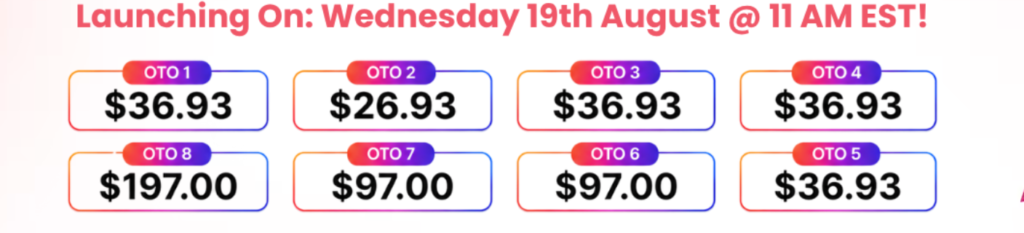
Two coupon codes are listed in the supplied launch material:
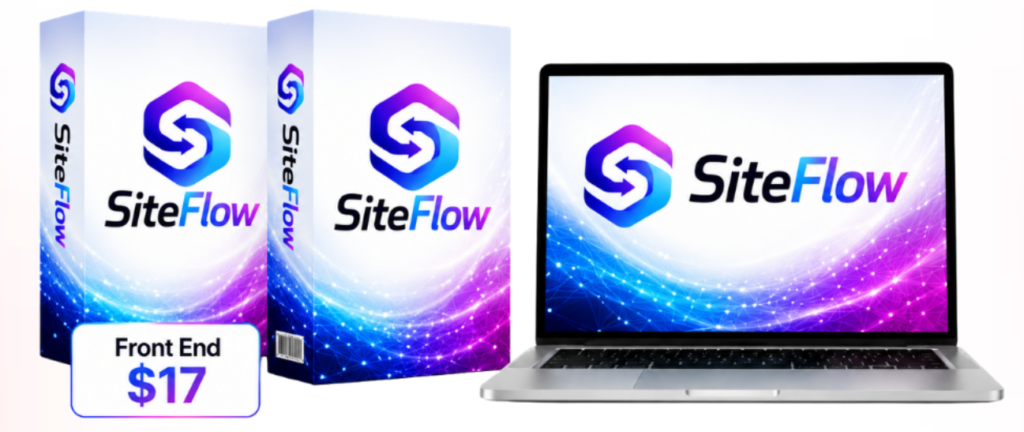
The exact front-end price is Data not available in the information supplied for this review, so I can’t calculate the final checkout amount without guessing.
The more useful question is whether the discount changes the value equation. For a beginner, the answer depends on whether SiteFlow actually replaces other recurring costs you would otherwise pay for hosting, site building, content production, and related tools.
The launch material also lists several bonuses, including cloud apps and commercial-use resources. Those can add value, but buyers should judge them by actual usefulness rather than the combined dollar values commonly used in launch funnels.
Prices and availability can change. Check the official page before buying.
SiteFlow pricing: Data not available for the front-end amount in the supplied launch document.
The offer is positioned as a one-time purchase with no monthly hosting fee, and the vendor says unlimited domains, sites, bandwidth, SSL, and hosting are included. Those claims could make the front-end attractive compared with assembling the same infrastructure separately.
I would consider the front end worth investigating if your main goal is reducing setup work. I would not value it based on promised income or traffic numbers because those depend on execution and external platforms.
The supplied launch materials include several exclusive JV bonuses:
The bonus package is substantial on paper. My concern is not quantity but relevance. If you only need one affiliate website, many additional apps may remain unused
A beginner affiliate marketer could use SiteFlow to create a niche website around a group of products, then use the built-in publishing system to organize product pages and supporting content. The realistic outcome is a faster setup process, not guaranteed commissions.
A freelance marketer could use the commercial rights to create simple affiliate or promotional websites for small businesses. The value here comes from selling the service, so client acquisition matters as much as the software.
An experienced affiliate could use the platform for testing multiple niche concepts. The useful workflow would be to build a small site, publish a limited amount of carefully reviewed content, monitor traffic and conversions, then decide whether the niche deserves more investment.
For affiliate marketing, one important niche insight is that tracking accuracy matters as much as content volume. Another is that high-value offers usually need stronger buyer-intent content than generic informational articles.
SiteFlow is a good fit for beginners who want to avoid assembling hosting, site-building, content, and affiliate tools separately. It can also suit affiliate marketers managing several offers and freelancers who want commercial rights for client services.
The strongest fit is someone who wants speed and convenience but is still prepared to review content, choose products carefully, and learn basic affiliate marketing.
Skip SiteFlow if you already have a highly customized WordPress setup that you enjoy managing. It also makes less sense for marketers who don’t plan to publish websites or use affiliate offers.
If your main goal is ecommerce inventory, Shopify may fit better. If your priority is maximum website control, WordPress is the stronger option.
Most AI tools promise a lot and deliver little. We cut through the noise by testing each platform hands-on before recommending it. Browse our [2026 AI tools breakdown] and find what genuinely works for your use case.
One of the most underrated advantages of SiteFlow is that you can use it to offer services to clients, starting today.
These are real service opportunities, but they still require sales skills, client communication, quality control, and clear deliverables.
The supplied SiteFlow material advertises a 30-day risk-free money-back guarantee. LaunchPad also publicly states that purchases on its platform carry a 30-day money-back guarantee, although buyers should confirm the current terms attached to the specific SiteFlow transaction before purchasing.
Keep your purchase details and follow the applicable refund process if you decide the product doesn’t fit your needs. Your investment is fully protected within the applicable guarantee terms.
The SiteFlow Review verdict is that the front-end is worth considering for affiliate marketers who value fast site creation and bundled hosting. It becomes less attractive if you already have a mature WordPress system or expect the software alone to generate commissions.
Yes. The product is marketed toward beginners and uses a point-and-click workflow. The bigger learning curve is affiliate marketing itself, including choosing offers, understanding tracking, writing useful content, and attracting relevant visitors.
The website itself may be created quickly according to the vendor’s 60-second setup claim, but business results are different. Search visibility, social traffic, clicks, affiliate conversions, and commissions can take much longer and depend on niche selection and promotion.
No. The front-end is the logical starting point. Pro, Enterprise, DFY, Reseller, IMX, and WhiteLabel options should be considered only when you have a specific need for their extra features or licensing rights.
The supplied sales material describes SiteFlow as a one-time payment with no monthly or yearly hosting fees. Because launch pricing and terms can change, confirm the current checkout terms before completing your purchase.
Affiliate marketing is the primary use case presented in the launch material. The vendor lists Amazon, ClickBank, eBay, WarriorPlus, JVZoo, LaunchPad, and many other networks, but each network still has its own approval and promotional rules.
The supplied materials associate the product with the Serapis Code/LaunchPad ecosystem and reference Mike in affiliate-launch communications. The available material doesn’t provide enough verified personal background to make a stronger claim about the individual creator.
First check your affiliate link, account permissions, website settings, and support documentation. If the issue cannot be resolved, contact the vendor or LaunchPad support and use the applicable refund process if the product doesn’t meet the stated terms.
Start with one affiliate offer, enter the approved affiliate link, configure the site, review the generated pages, publish only useful content, and then monitor traffic and conversions. Don’t start by creating dozens of sites before you understand the workflow.
The supplied materials promise lifetime software updates, but they don’t provide a fixed update schedule. I would treat “lifetime updates” as an access promise rather than an assurance of a specific number of releases each month.
SiteFlow is worth considering if your main problem is the time and technical work involved in setting up affiliate websites. Its strongest selling point is the combination of website creation, hosting, AI content, affiliate publishing, and traffic tools in one system.
My SiteFlow Review rating is 4.2/5 based on the documented feature set and launch information. I recommend starting with the front end rather than buying the entire funnel, especially if you’re new to affiliate marketing
If your biggest problem is spending too much time setting up affiliate websites, SiteFlow offers a direct way to test a more automated workflow. The 30-day guarantee gives buyers a defined window to assess the software against their needs.
Sasii Digital | sasiidigital.com| Last Updated: July 2026 I’ve reviewed 50+ AI marketing tools over 5 years at sasiidigital.com. I researches and analyzes AI tools before publishing.
Have any questions? Contact me at: info@sasiidigital.com.

One Simple Way To Maintain Your Perfect Smile! Hi, My name is Marc Hall I am 54 years old and I live with my wife, Martha, in a small town
Profit Signal Profit Signal Discover the Systematic Domain Investment Strategy Discover Hidden Value in Expired Domains Every day, thousands of valuable domain names expire because their owners forget to renew

If you’ve got a story idea but no drawing skill, no writing background, and no budget for an illustrator, that idea usually just stays stuck. ComicAgent AI is pitched as

CinematicSites AI is a prompt-based website builder launching on JVZoo on August 21, 2026, from creator Yogesh Agarwal. You describe the site you want in plain text, and a set
Not sure which AI tool is worth your money in 2026? We’ve done the side-by-side testing across dozens of platforms so the answer is clear. See the [full AI software comparison guide] and pick the right fit from the start.
At SasiiDigital.com we believe in complete honesty. This website contains affiliate links, which means we may earn a small commission if you click on a link and make a purchase—at absolutely no additional cost to you.
We only promote tools, software, and services that we have personally researched or rigorously tested. Our reviews are based on technical analysis, feature evaluations, and actual user experience. Our goal is to provide objective verdicts—even when a product isn’t worth the investment—ensuring you always make informed decisions.
Our recommendations are never influenced by affiliate commissions. We prioritize “anti-hype” content and objective facts over aggressive sales language. Every piece of content on this site is crafted to help you build profitable campaigns and automate your business processes effectively.
If you have any questions regarding our affiliate relationships or need further clarification on a product, please feel free to reach out to us directly through our contact page.
SasiiDigital
© 2026 SasiiDigital. All rights reserved.
💬 Leave a Comment
Click to rate